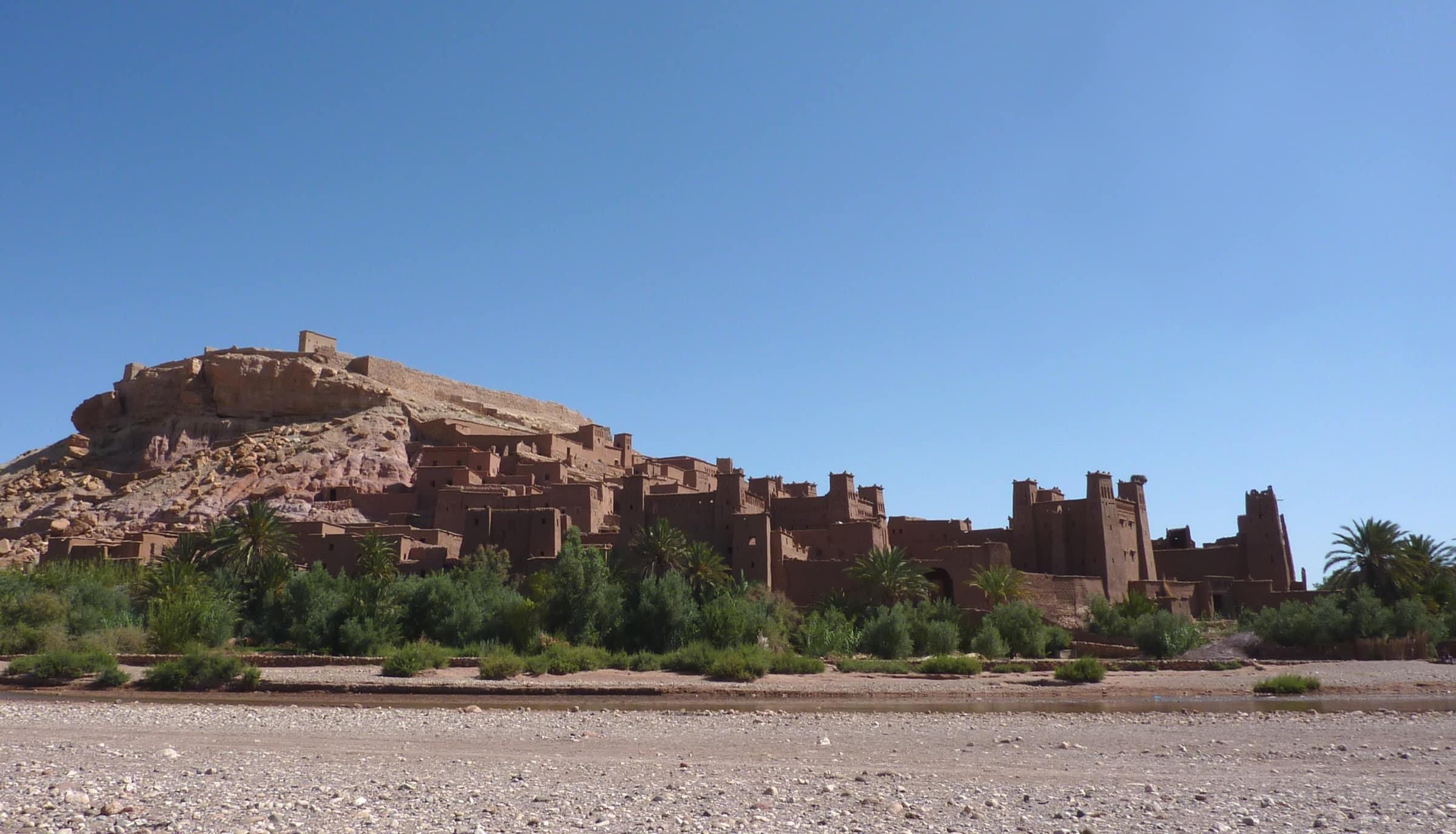
Aït Ben Haddou & Ouarzazate
The great escape south of the Atlas, and the most cinematic: you cross the Tizi n'Tichka pass (2,260 m), you find the Aït Ben Haddou ksar - a fortified earth village, UNESCO-listed, where Lawrence of Arabia, Gladiator and Game of Thrones were shot - then Ouarzazate, its studios and the Taourirt kasbah. The setting is stunning and very real: contrary to a common misreading, the ksar was not built for Hollywood. It is a real pisé village, inhabited for centuries, that cinema helped restore. The real reservation is the day itself: six to seven hours on the road round trip for three or four hours on site, often at a rush and in the middle of the bus surge. If you can, sleep a night on site. Otherwise, pick a well-rated tour, set out early and plan for extras (studio entry, guide, lunch) rarely included in the headline price.
Aït Ben Haddou is one of those images you have seen a hundred times without always knowing to name: a pyramid of towers and earth houses, gold in the sun, set on a hillside above a river, facing the stone desert. It is a ksar - a fortified village - from the caravan route that linked Marrakech to the Sahara, and one of Morocco’s finest earth-architecture sets, UNESCO-listed since 1987. Reaching it from Marrakech means crossing to the other side of the High Atlas via the Tizi n’Tichka pass, then down to Ouarzazate and its film studios. A long day on the road, rewarded by a setting that is anything but staged.
Aït Ben Haddou is also the first great stage of the southern circuit to Merzouga and Fes - our Marrakech - Merzouga - Fes circuit listing details the format, the stages day by day and the six solid GetYourGuide offers picked in both directions.
On your own or on a tour?
What to expect
About half a day. Times are indicative.
Departure from Marrakech
Hotel pick-up early morning: the road is long, better to get ahead of the buses.
Tizi n'Tichka pass
Crossing the highest road pass in North Africa (2,260 m), photo stops on the switchbacks and the villages clinging to the slope.
Aït Ben Haddou
The UNESCO ksar: cross the Ounila wadi on foot, climb between the earth houses up to the collective granary at the top, for the valley view.
Lunch facing the ksar
Panoramic terrace opposite the village (rarely included, to settle on site).
Ouarzazate
The 'gate of the desert': the film studios (Atlas Studios) and the Taourirt kasbah, the Glaoui earth kasbah.
Back to Marrakech
Back over the pass and the road; back in town early evening.
What you see there
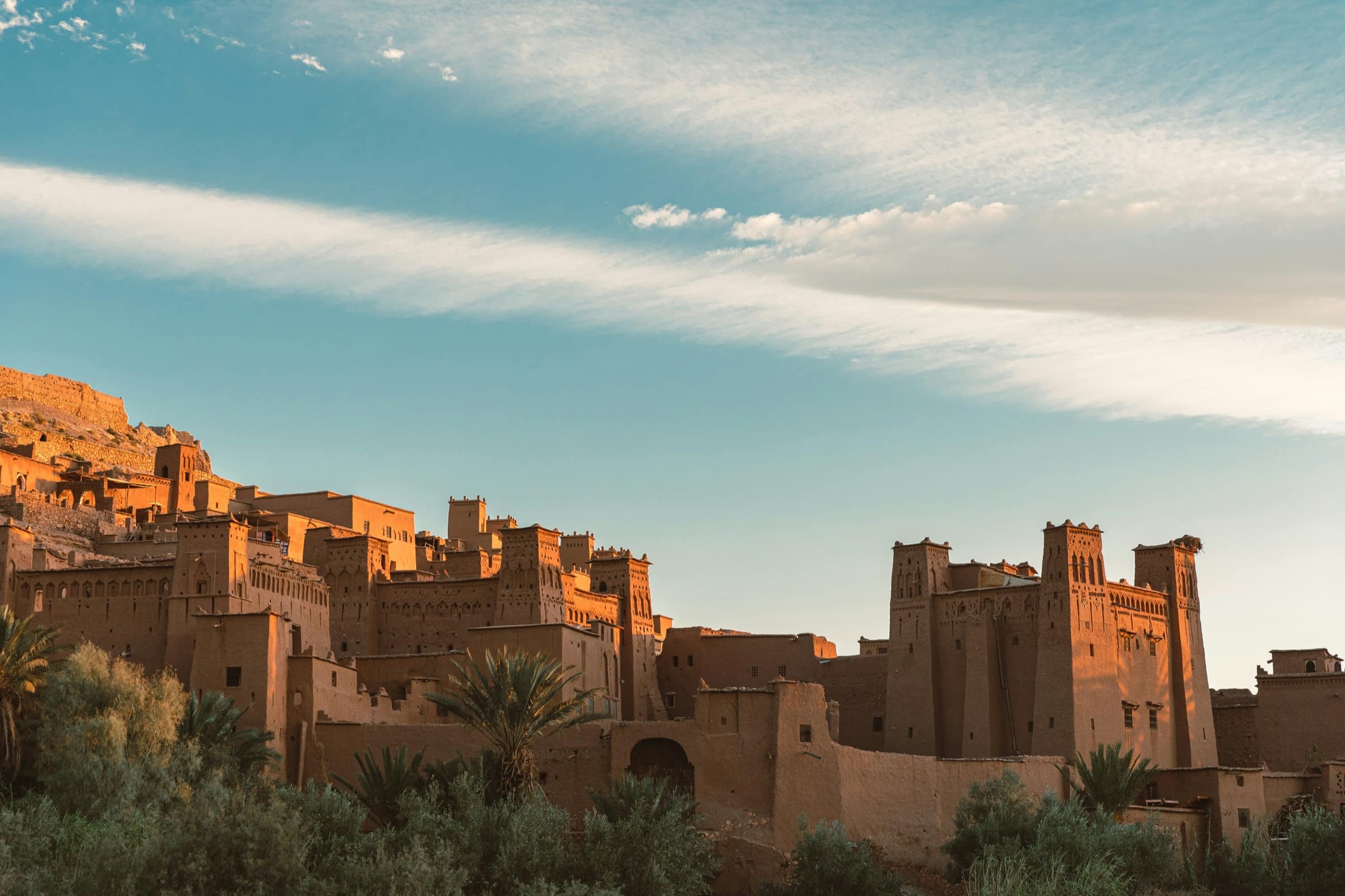
The Aït Ben Haddou ksar
A pisé-fortified village, UNESCO-listed since 1987, whose earth houses climb to a former collective granary at the top. Access on foot, crossing the Ounila wadi. The core is old and real: a few families still live there, most having moved to the modern village on the other bank.
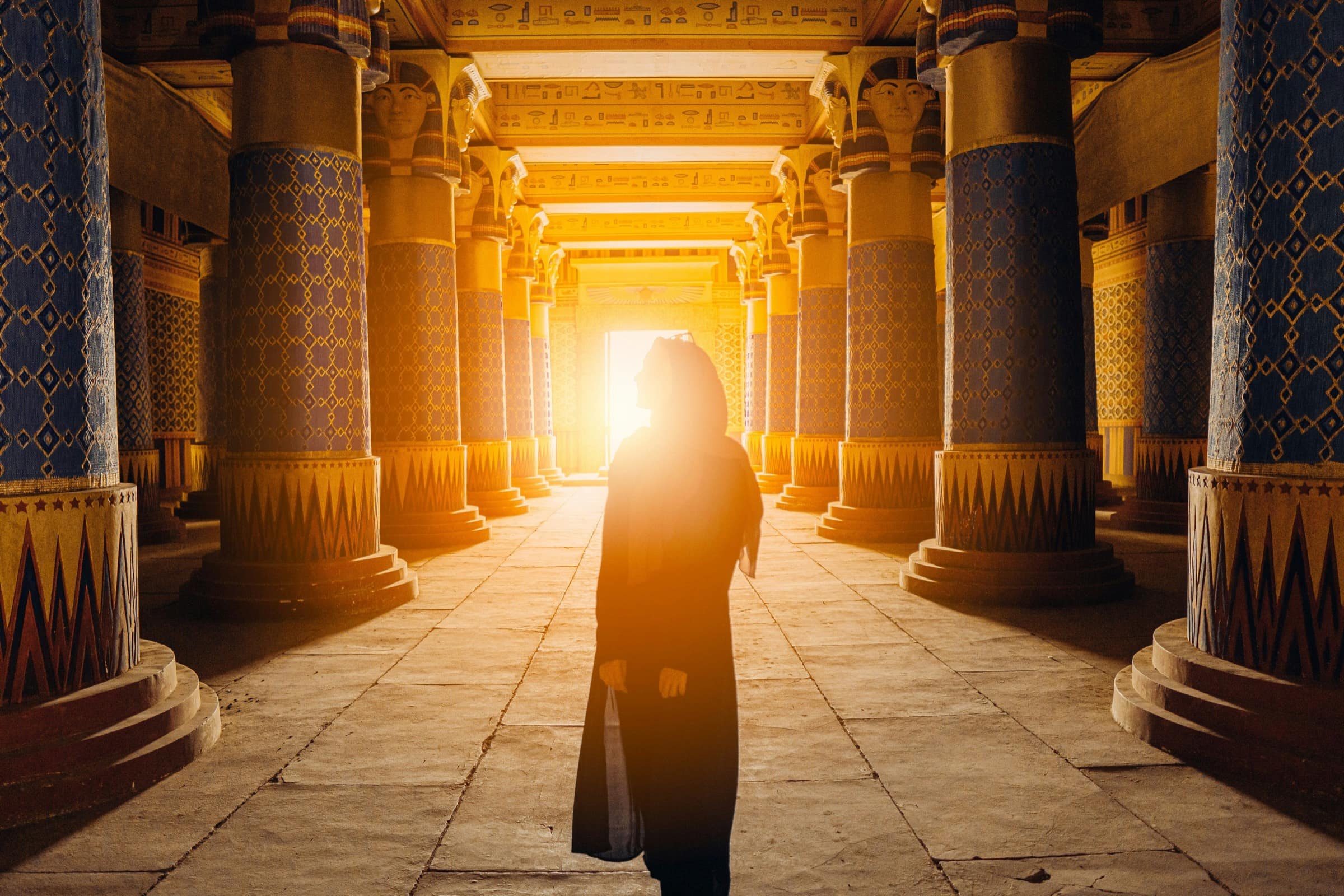
The film studios
Ouarzazate, nicknamed 'Ouallywood', holds real studios (Atlas Studios) where you visit sets from Gladiator, The Mummy, Kingdom of Heaven or Game of Thrones. The guided visit runs around 45 minutes. Entry is paid separately (~80 dirhams, around £6.50).
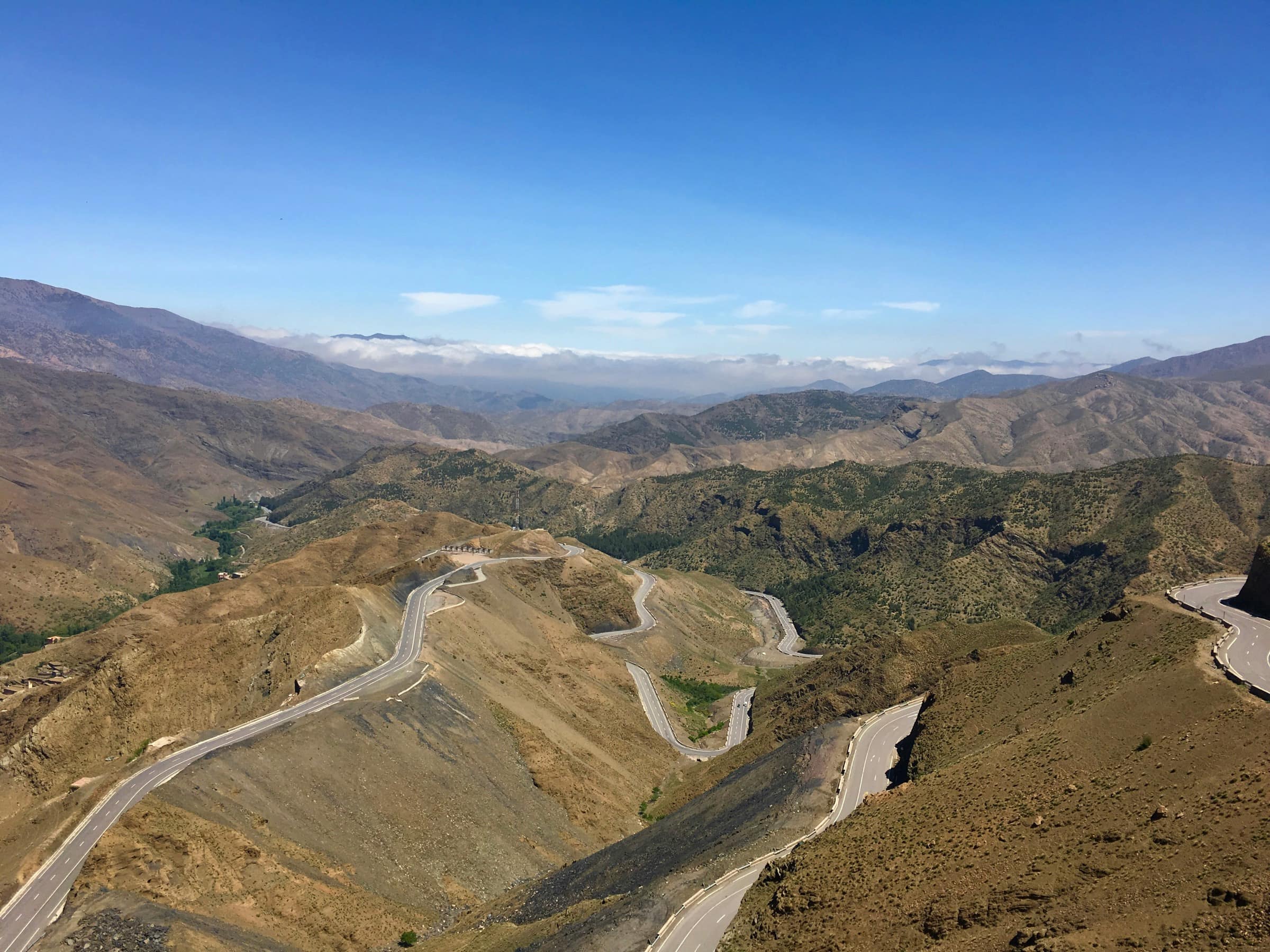
The Tizi n'Tichka pass
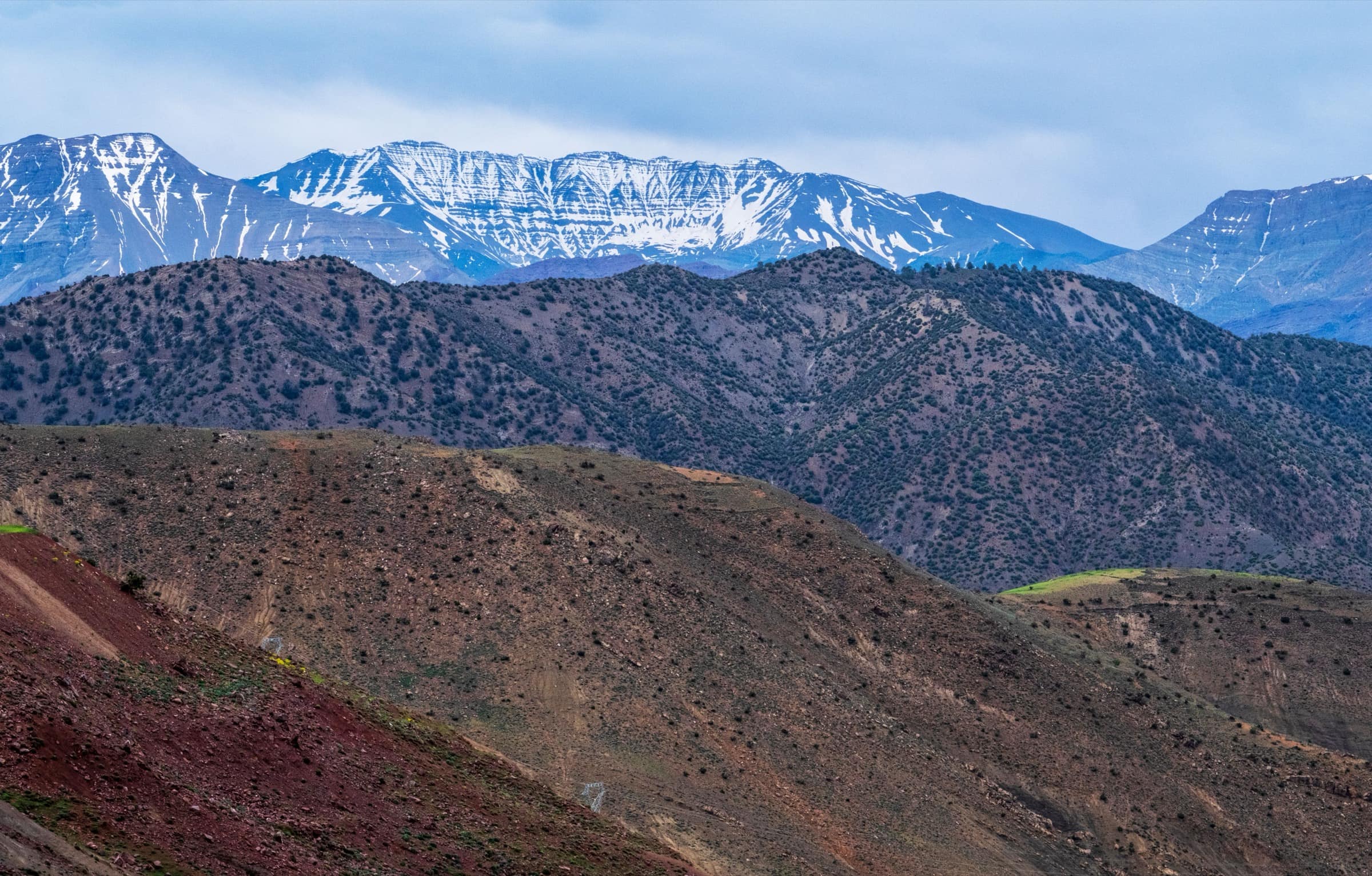
The road crosses the highest tarmac pass in North Africa, in a festival of switchbacks and High Atlas panoramas. Fine in any weather, but it can shut after a snowfall, November to March.
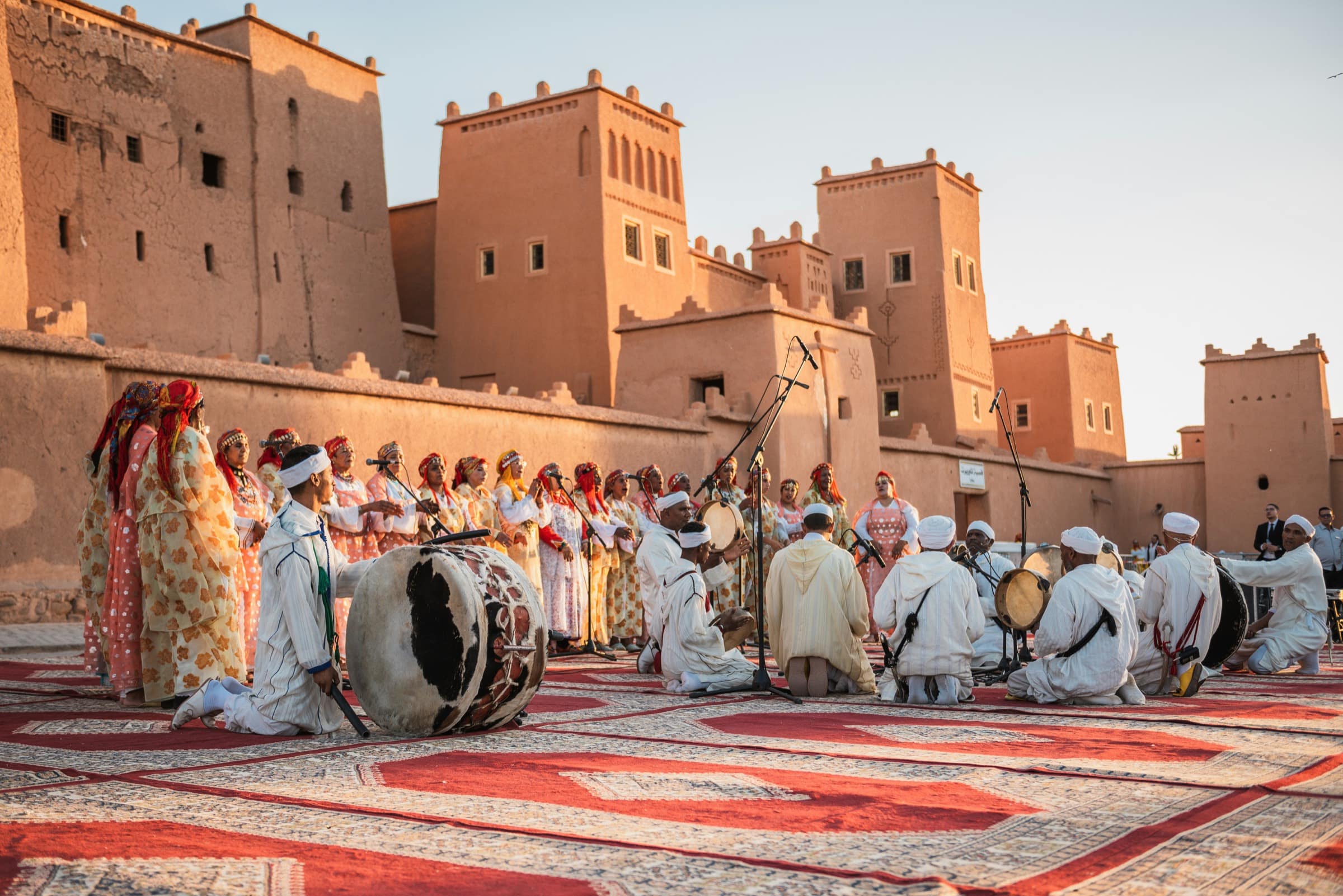
The Taourirt kasbah
A large earth kasbah extended by the Glaoui family in the 19th century, with its reception rooms, painted cedar ceilings and zellige. Part is restored and visitable; the other is still inhabited.
What is included
Good to know
Book your day trip
We do not sell the tickets: booking goes through GetYourGuide. The price is the same as direct, a small commission comes back to this guide.
Frequently asked questions
Can I visit Aït Ben Haddou in a day from Marrakech?
Is Aït Ben Haddou a real village or a film set?
What is not included in the tour price?
Which films were shot at Aït Ben Haddou?
Is the Tizi n'Tichka pass dangerous or closed in winter?
Is it better to sleep on site?
Photo credits
- Le ksar d'Aït Ben Haddou au petit matin - © Adrian Farwell · CC BY 3.0 · Wikimedia Commons · source