What to pack for Marrakech
How to dress, what to pack by season, which shoes, what to slip in the kit: the essentials for packing without forgetting - or getting it wrong. One simple rule covers the basics. The rest is a few reflexes.
How to dress in Marrakech?
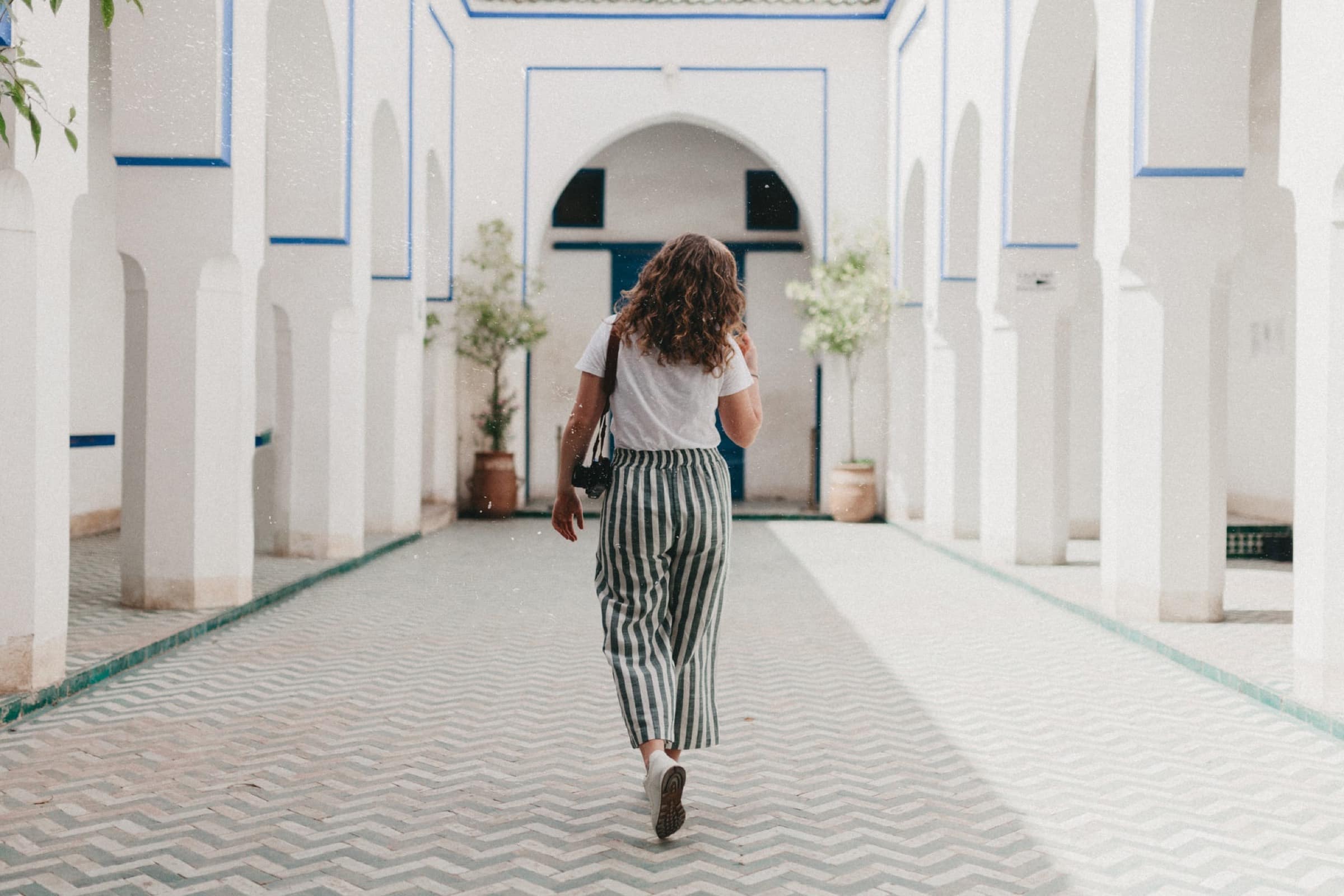
No strict code for visitors, but a simple rule: cover shoulders and knees in the medina and souks, especially around places of worship. Loose light clothing (linen, cotton) respects local custom and protects from the sun - the same piece does both.
Marrakech is both a Muslim and a tourist city. In the medina, souks and residential neighbourhoods, a covering outfit is expected; in Guéliz, the modern town of cafés, shops and hotels, the atmosphere is more relaxed and Western clothes are common. Mosques, including the Koutoubia, are closed to non-Muslims: the question doesn't arise there. During Ramadan, discretion is welcome and it's polite not to eat, drink or smoke in the street during daylight hours.
For women
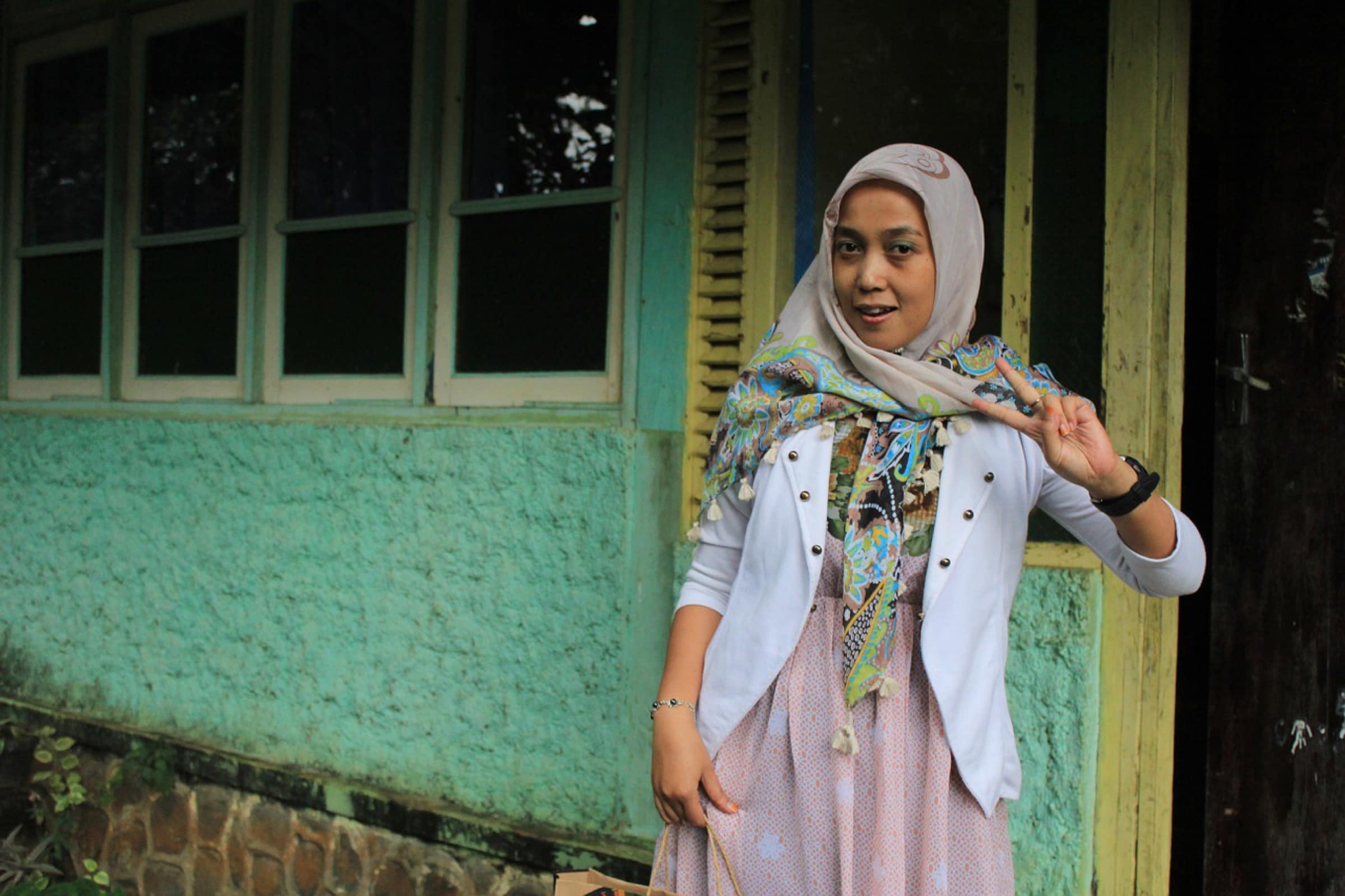
The headscarf isn't required in the street: visitors aren't expected to cover their hair. It's still useful - against the sun, and to cover up now and then. A large scarf earns its keep everywhere.
Loose clothes that cover shoulders and knees are best: trousers or midi/long skirts, midi or long dresses, tops with sleeves, light tunics - covering here also protects from the sun. Swimwear stays at the pool and the riad; in town, you cover up, and at the beach a one-piece is preferable. Very short, tight or low-cut outfits attract attention in the medina, more for comfort than for propriety. Evening rooftops and restaurants expect smart-casual; some places require it.
Whistles and unwanted approaches in the souks exist, mostly for solo women travellers - and it isn't about what you wear. What helps in practice: walk confidently, sunglasses on, ignore without answering, a firm "La, choukran" (no thank you) if someone persists. Avoid the medina alone very late at night; a guided walk noticeably lowers the pressure. If a situation escalates, raising your voice draws the attention of passers-by and the tourist police.
For men
Shorts are fine in relaxed corners and in Guéliz; a lightweight trouser (linen or chino) is better received in the medina - and more versatile from the morning market to dinner at the riad. Avoid bare chest and singlets in town. Evenings, good restaurants and rooftops expect trousers and closed shoes; shorts and flip-flops are often refused.
What to pack by season
Marrakech sits at 460 metres (1,510 feet) altitude: it can be hot in the day and cool at night, sometimes on the same day. Hence a rule that holds nearly all year - pack a warm layer for the evening. (Indicative temperatures.)
| Season | By day | At night | Slip into the case |
|---|---|---|---|
| Summer June-Sept | ~36-40°C, peaks at 45 | mild, ~20°C | Very light and pale colours, light long sleeves against the sun, swimsuit, high-factor SPF; a thin layer for A/C and the rare cool evening. |
| Winter Dec-Feb | mild, ~18-20°C | cold, 5-8°C | Layering system, jacket or jumper, closed shoes, compact umbrella (wettest season). |
| Spring / autumn Mar-May, Oct-Nov | ~22-30°C, the most pleasant | cool | Light for the day, one warm layer for the evening. |
Shoes
The medina is walked on uneven paved surfaces: closed comfortable shoes with good soles are the priority. Sandals or espadrilles help in strong heat; skip heels. Keep flip-flops for the pool, and real walking shoes if you head up to the Atlas or the waterfalls.
Day trips: desert, Atlas, hammam
The temperature swing is sharp. Pack warm layers for the evening and night - very useful in winter, when the thermometer can drop close to 0°C before dawn; lighter in summer, when nights stay mild. Add a pale light trouser, a chèche or scarf against sand and wind, a hat and SPF.
Walking shoes and a jacket: the air is cooler than in town.
Bring flip-flops, dark swimwear or underwear (black soap stains), a kessa mitt and something to change into. Private spas often supply the kit.
Sun and health kit
The sun bites: high-factor SPF (50 or above, bring from a UK Boots, Superdrug or Amazon - the choice is limited on the ground), sunglasses, a wide-brimmed hat, a water bottle. Kit: an anti-diarrhoeal and oral rehydration sachets (traveller's diarrhoea is common), paracetamol, plasters and antiseptic, hand sanitiser, something for motion sickness on the mountain and desert roads, and your regular medication in its original packaging with the prescription.
Electrics and tech
Sockets are Type C and E, 220 V: UK visitors need a plug adapter (about £5 at Boots, Argos, Amazon or a UK airport shop). Most modern chargers are dual-voltage (100-240 V), so a plug adapter alone is enough, no voltage converter needed. A power bank is useful for long walking days.
Drones are banned from import without prior authorisation: they're confiscated at the airport and use exposes you to prosecution. Leave it at home.
Documents and money
Passport, with copies (paper and digital), insurance certificate, and a little cash - change on the ground, in dirhams. Full details on entry rules and budget are on their dedicated pages: Entry requirements, and Money and costs.
The checklist
- ✓Covering and light clothes, plus a large versatile scarf
- ✓Closed comfortable shoes, sandals, flip-flops
- ✓SPF 50+, sunglasses, hat, water bottle
- ✓A warm layer (jumper or jacket) for the evening
- ✓Health kit and personal treatment with prescription
- ✓A UK plug adapter and a power bank
- ✓A swimsuit
- ✓Passport, copies, some cash
- ✓For the desert: chèche and warm layers; for the Atlas: walking shoes
- ✕Buying dirhams before you leave the UK (change on the ground)
- ✕Too many outfits - versatile pieces work better
- ✕A drone (banned)
- ✕High heels (unfit for the paved medina)
- ✕A voltage converter if your devices are already dual-voltage
Frequently asked questions
What we get asked before the case is packed.