Skip to content
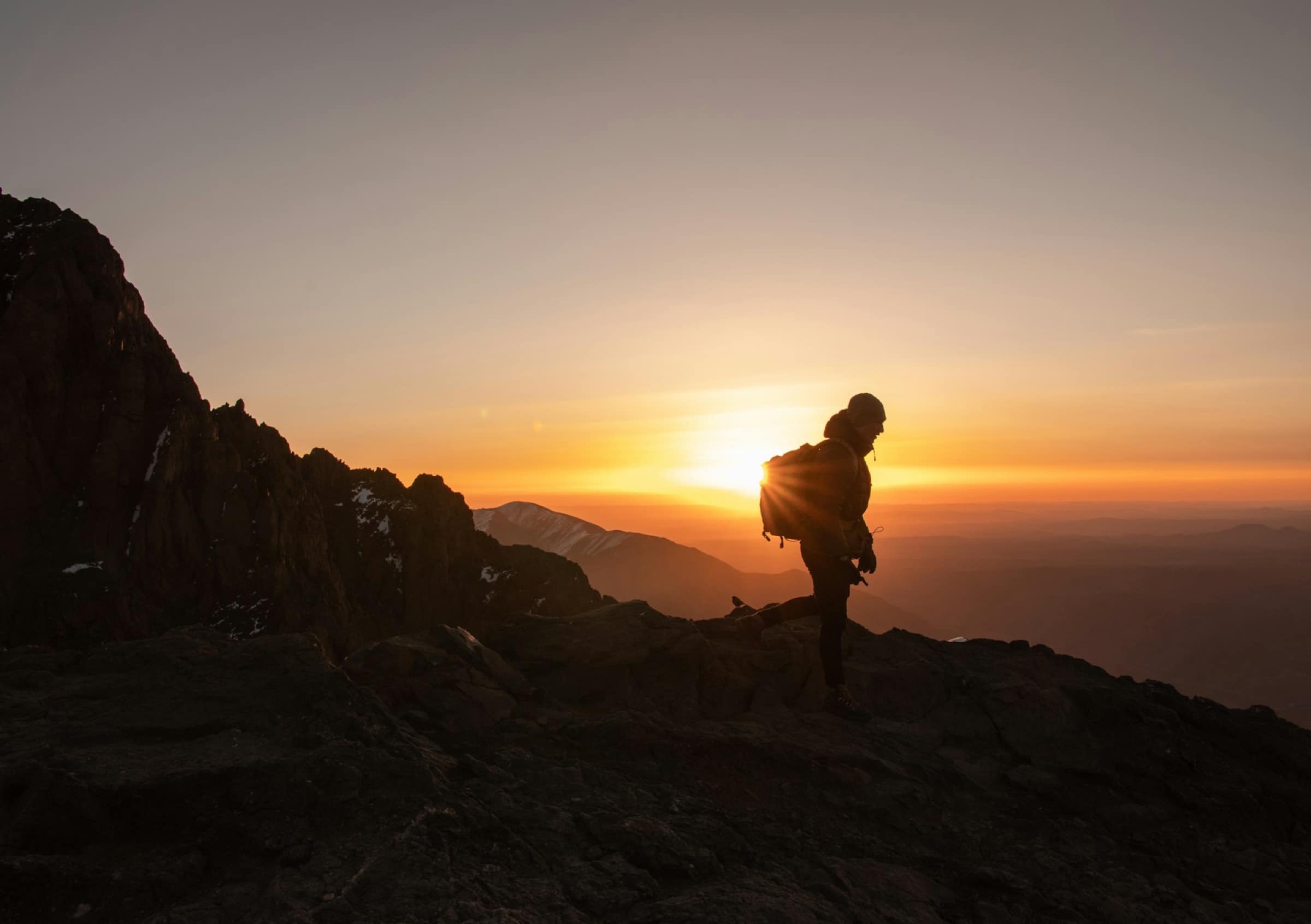
On the Toubkal ridges, at sunset.
TREKKING · HIGH ATLAS

Toubkal climb & Atlas treks

Imlil · 2 to 3 days · from £72
Distance63 km
Travel time1h 30m to Imlil
Duration2 to 3 days
Price£72

The real big mountain objective out of Marrakech: Jbel Toubkal, 4,167 metres, highest summit in North Africa - but not Africa, Kilimanjaro sits well above. You climb it in two days with a refuge night at 3,207 metres, or in three days for better acclimatisation. Let us be clear: this is not a simple walk. The difficulty gets regularly underestimated - long scree, altitude that cuts the breath, cold and wind at the summit - and good fitness is needed. Since 2018, following a tragedy near Imlil, a certified mountain guide is mandatory, checked with passports at gendarmerie checkpoints. In winter, November to April, snow turns the climb into an alpine route: crampons and ice axe essential. And if the summit is not your goal, Atlas village treks offer just as wide panoramas without the altitude or the effort - the other entry door to these mountains.

At the end of the road climbing from Marrakech via Asni, Imlil is the last stop before the high mountain. From there sets off the climb of Jbel Toubkal, 4,167 metres, highest summit in North Africa: two or three days of walking, one refuge night above three thousand metres, and the push to a summit you can see, on a clear day, from Marrakech rooftops. It is not a stroll - a real mountain route, demanding and escorted. But the Atlas does not boil down to its roof: for those preferring to walk at village height, valley to valley and tea to tea, these mountains also offer the gentlest of hikes.

On your own or on a tour?

On your own
Marrakech → Imlil: ~63 km, 1h 30m by taxi or car via Tahannaout and Asni. That is the end of the road; from there, everything runs on foot.
You can reach Imlil solo and hire a certified guide on site, but the guide stays mandatory for the summit climb.
Luggage: you leave your things in Marrakech or in an Imlil guesthouse for the trek.
On a guided tour
The certified mountain guide - mandatory - is included, with transfer from Marrakech.
Refuge or guesthouse booked, half-board and logistics (mules for bags) handled.
Itinerary and gear tailored to your level and the season.

What to expect

About half a day. Times are indicative.

Day 1 · morning

Marrakech → Imlil

Ninety minutes of road to the starting village (1,740 m): last purchases and gear rental.

Day 1

Imlil → refuge (3,207 m)

Climb via the Mizane valley, the Aroumd hamlet and the Sidi Chamharouch marabout: 4 to 6h, around 1,470 m of elevation. Dormitory night at the refuge.

Day 2 · dawn

Refuge → summit (4,167 m)

Pre-dawn start, 3 to 4h in the scree up to the roof of North Africa and its vast Atlas view.

Day 2

Descent & return

Down to the refuge then to Imlil. The full day runs 8 to 12h. Road back to Marrakech.

What you see there
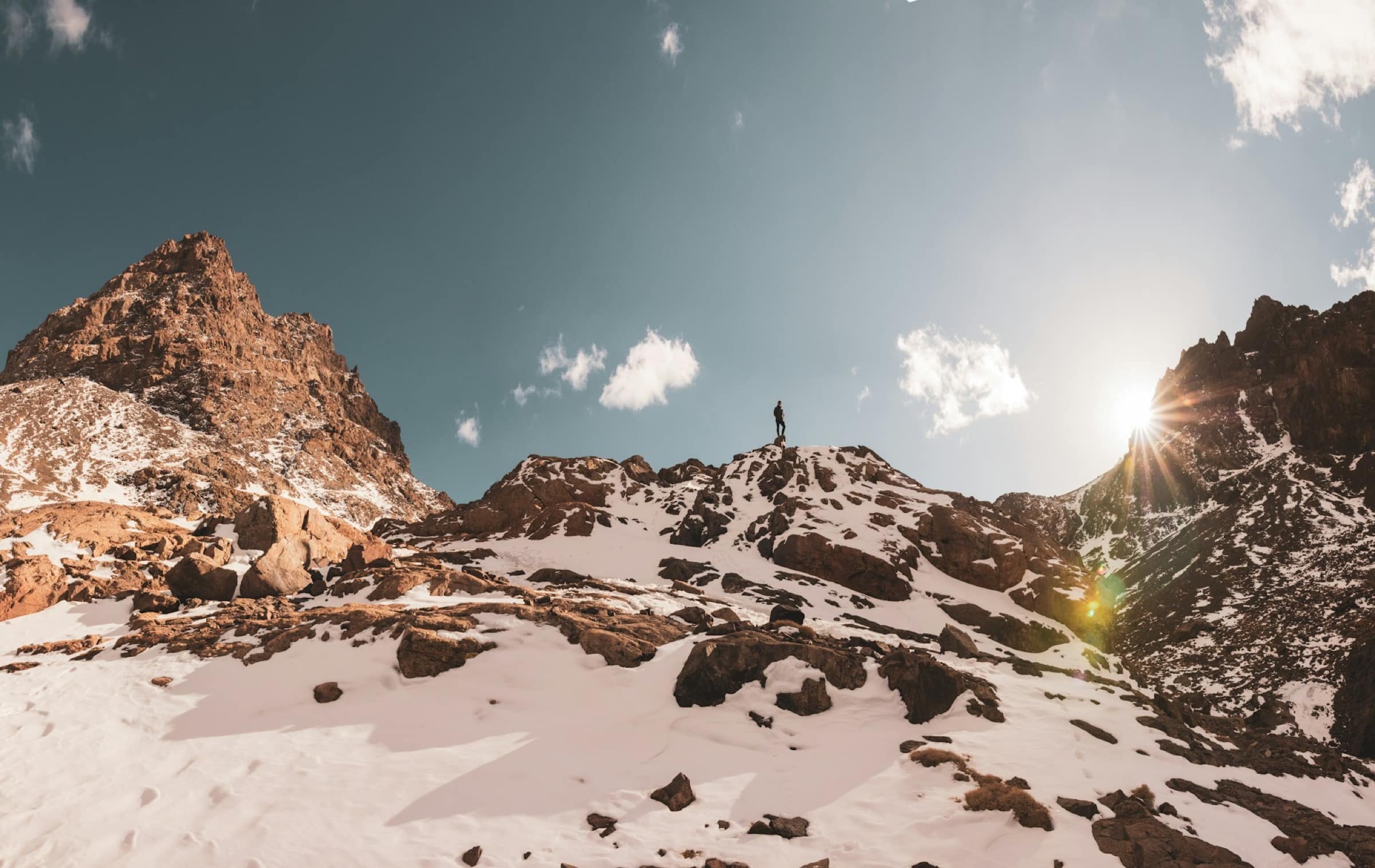
The snow-capped ridges of the Toubkal massif.
Roof of North Africa

The summit, 4,167 m

Jbel Toubkal is the highest summit in Morocco, the Atlas and North Africa. From the top, on a clear day, the view runs over the whole High Atlas and to the Marrakech plain.

3,207 m

Refuge night

At halfway, two neighbouring refuges - the Toubkal Refuge and Les Mouflons - take walkers in dorms. The night at 3,207 metres serves as much to rest as to acclimatise before the summit push.
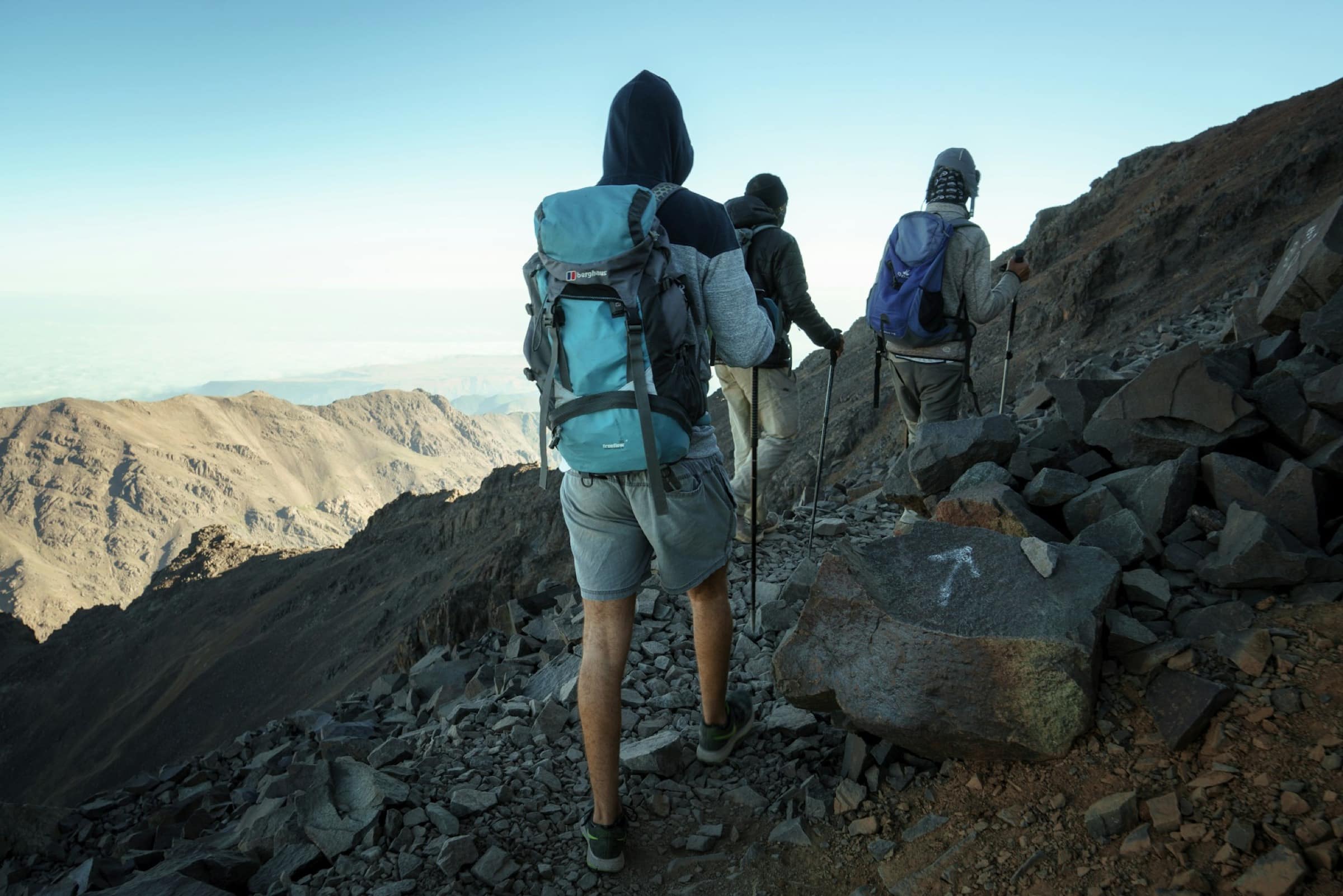
Walkers on the altitude trail, above the clouds.
The effort

The summit scree

The final climb runs through long steep scree, often snowed part of the year. That is where altitude cuts the breath and the step gets uncertain on the loose stone: the difficulty, not expected this hard, catches walkers out.
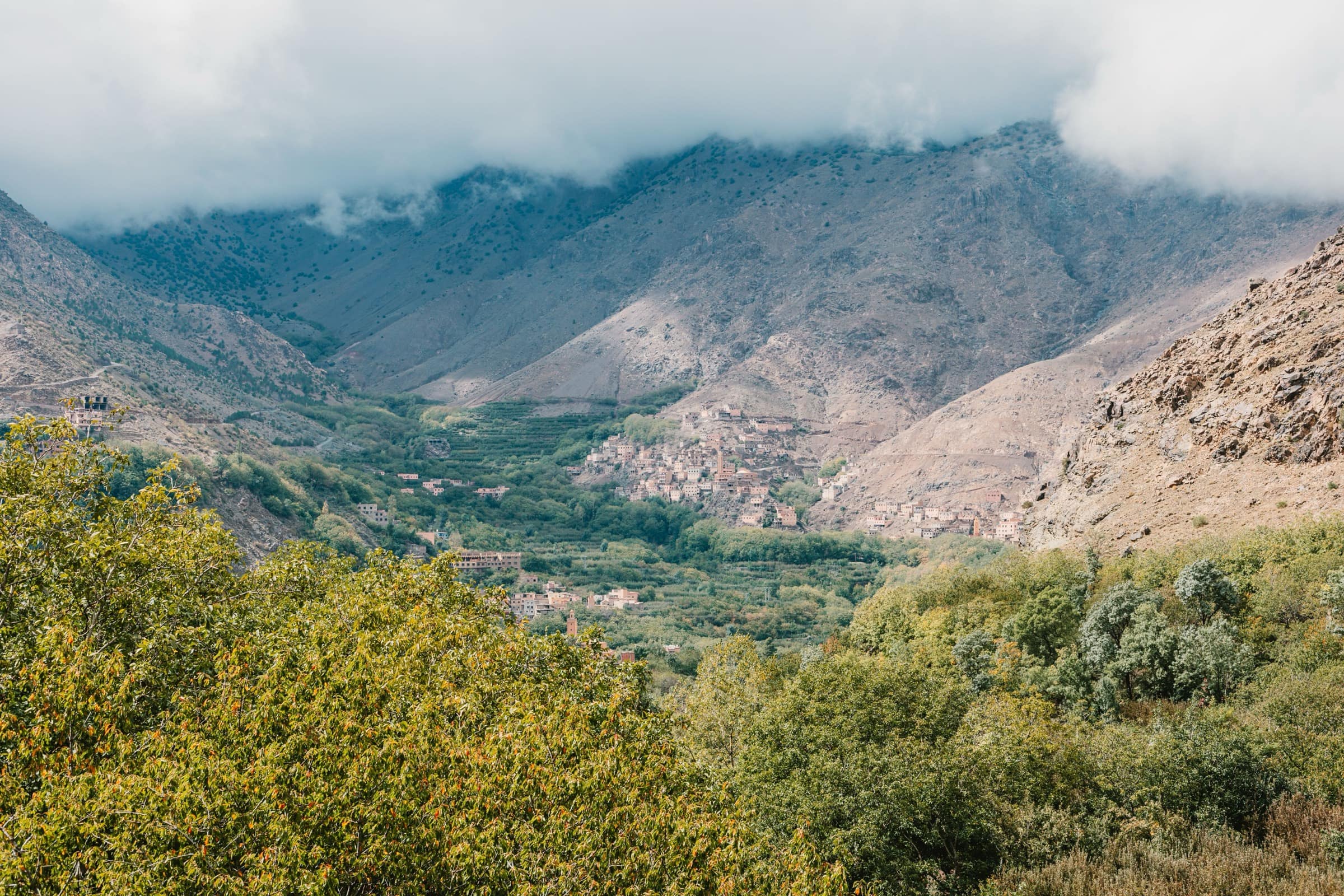
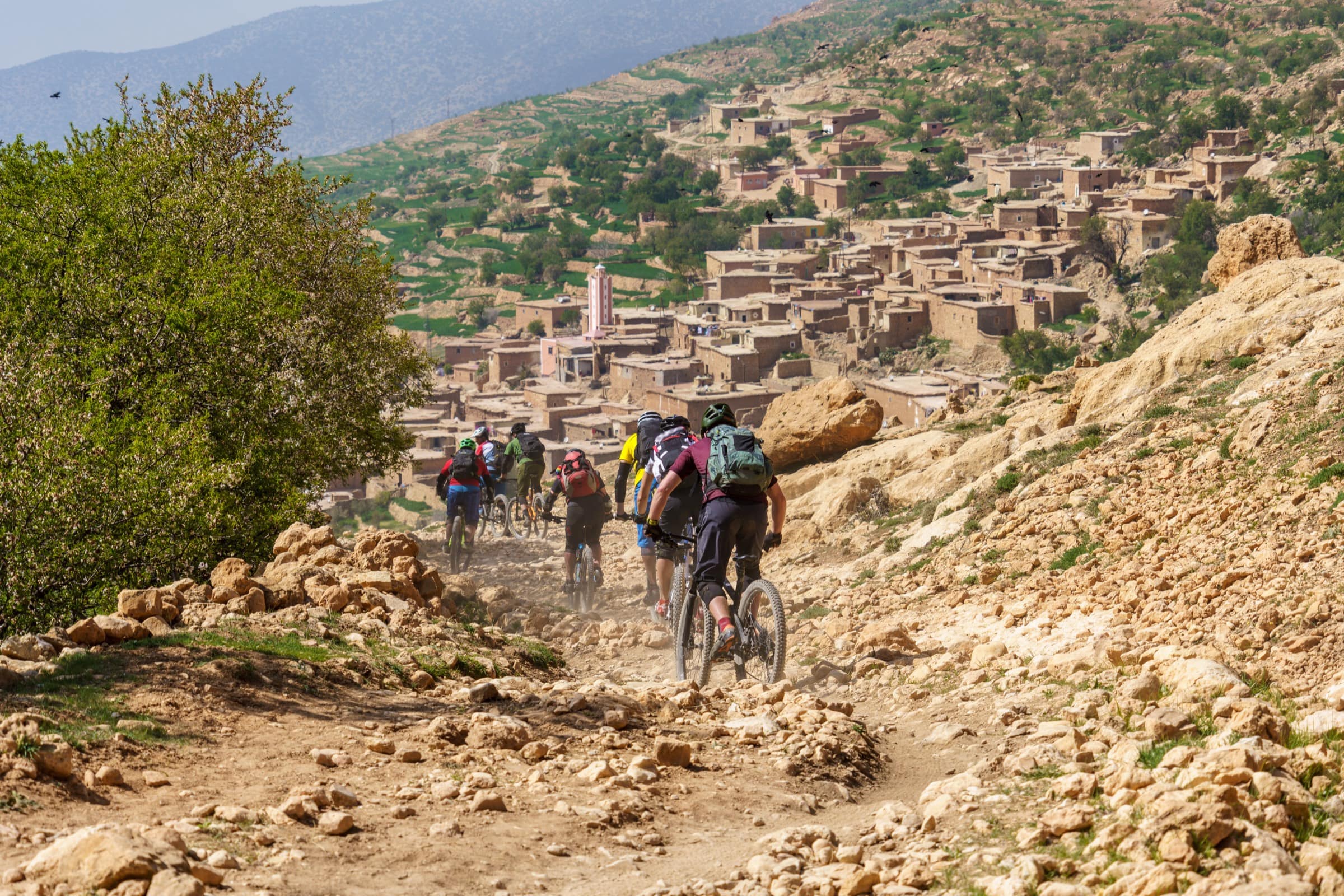
The Imlil valley and its villages, at the foot of Toubkal.
Without the summit

Village treks

To walk without the altitude, valley treks (Azzaden, Tachdirt, Tizi Mzik) link the Berber villages at eye level, with nights at a local's. Suited to beginners and families, at their pace.

What is included

Included
Return Marrakech - Imlil transfer
Certified mountain guide (mandatory on Toubkal)
Refuge or guesthouse night(s), on half-board
Not included
Gear rental in Imlil (crampons, ice axe, sleeping bag: from a few pounds)
Drinks, lunches per the format, and tips
Mule to carry bags, if you want

Good to know

Highest in North Africa, not AfricaToubkal peaks at 4,167 metres: highest summit in Morocco, the Atlas and North Africa - but not Africa, where Kilimanjaro (5,895 m) sits well above. The mix-up is common. Worth skipping.
A guide is mandatorySince 2018, following a tragedy near Imlil, a certified mountain guide is mandatory to climb Toubkal. The rule is enforced: the gendarmerie checks the guide and passports at several trail checkpoints. Bring your passport.
A demanding hike, not a strollIn summer, the climb is not technical, but is regularly underestimated: long scree, altitude that cuts the breath, cold and wind at the summit. Good fitness is needed. The three-day version, with an acclimatisation day, makes the summit far more enjoyable.
Winter is alpinismNovember to April, snow covers the heights: crampons, ice axe and mountain boots become essential, and avalanche risk is real, especially January to March. The winter climb is for equipped and escorted walkers, not for beginners.
When to goAutumn (September-October) is the safest window: dry trails, little snow. Spring (April-May) is fine, but hardened snow often lingers up top. In summer, the summit is cool but Marrakech and the valleys grind in heat. Winter, see above.
The no-summit alternativeIf altitude or effort put you off, Atlas village treks (2 to 5 days, around 2,000-2,500 m) offer the same landscapes and Berber hospitality, no scree or altitude sickness. The gentlest way into these mountains.

Book your day trip

We do not sell the tickets: booking goes through GetYourGuide. The price is the same as direct, a small commission comes back to this guide.
Frequently asked questions

Do I need a guide to climb Toubkal?
Yes, mandatory since 2018, following the murder of two hikers near Imlil. A certified mountain guide is required, and the gendarmerie checks the guide and passports at several trail checkpoints. Not a mere recommendation: no guide, no climb. Bring your passport.
Is Toubkal hard?
In summer, the climb is not technical, but is often underestimated: long steep scree, altitude that catches the breath and summit cold make it a demanding hike, calling for good fitness. The three-day format, with acclimatisation, is markedly more pleasant. In winter, another discipline: alpinism, with crampons and ice axe.
Is Toubkal the highest summit in Africa?
No: highest in North Africa, Morocco and the Atlas, at 4,167 metres. Africa's highest summit is Kilimanjaro (5,895 m), in Tanzania. The nuance shows up often in brochures - worth knowing.
Two days or three days?
The two-day version (one refuge night) is the busiest but strings climb and summit with no real acclimatisation: kept for those in shape. The three-day version adds a day at altitude - often via the Aguelzim pass - which helps acclimatise and makes the summit safer and more enjoyable. If you can, take three days.
What is the best season?
Autumn (September-October) is safest: dry trails, little snow, mild temperatures. Spring is fine but often keeps hardened snow at altitude. Summer, the summit stays cool but Marrakech and the low valleys burn. November to April, snow imposes a winter climb, technical and escorted.
Can I walk in the Atlas without climbing Toubkal?
Of course, and it is the best pick for many. Village treks (2 to 5 days, around 2,000-2,500 metres) cross the Berber valleys - Azzaden, Tachdirt - with nights at a local's. No altitude or scree, they suit beginners and families, offering the same landscapes and hospitality.
Book online
from £72 / person
See availability →

↑ ↓ to navigate · Enter to open · Esc to close