The Almoravid Qoubba
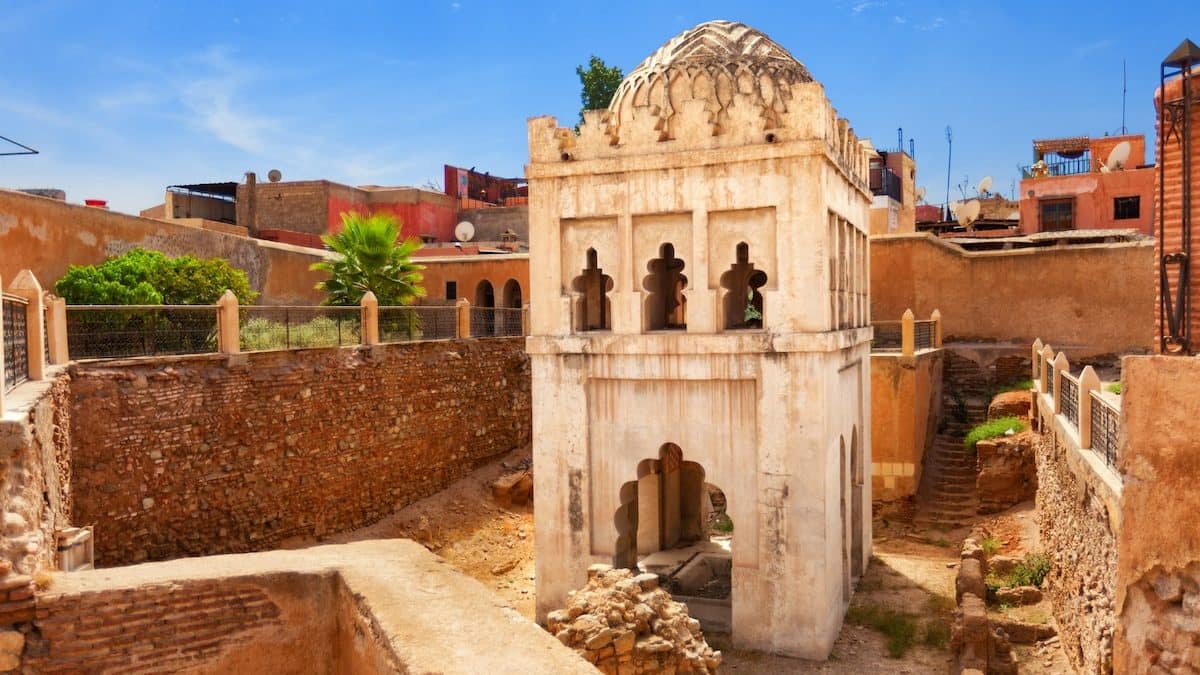
Small, sunk below the street, easy to miss - and yet the point from which Moroccan architecture takes its vocabulary. The only Almoravid trace in Marrakech. Its dome packs together the arches and motifs found everywhere afterwards. A connoisseur's detour, fifteen minutes, opening to be confirmed on the day.
History & context
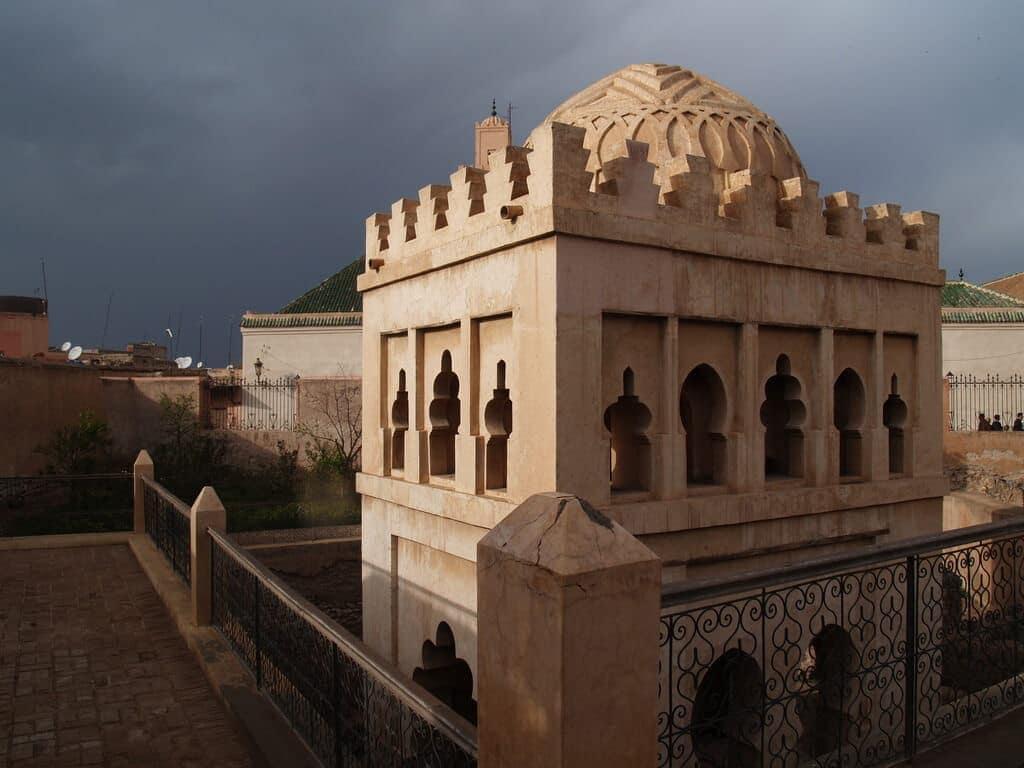
The Almoravid Qoubba is a survivor. When the Almohads took Marrakech in 1147, they razed most of what the Almoravids, the city’s founders, had built. This small pavilion, raised under Ali ben Youssef in the early 12th century, is almost all that remains of them here - and one of the few Almoravid survivals in Morocco.
Its function was modest: an ablutions pavilion attached to the Ben Youssef mosque. Water, captured through underground galleries and brought by bronze pipes, fed fountains, taps and latrines. People came to purify themselves before prayer, and the neighbourhood drew its water there.
Its size is misleading. Seven metres by five, twelve high. Under the dome you read the polylobed arches, the broken horseshoes, the first muqarnas and the floral motifs the madrasa, the Koutoubia and all Moroccan architecture would later pick up. Buried under several metres of fill through successive rebuilds, the pavilion was only uncovered in the mid-20th century, during the 1948-1952 excavations. You descend to Almoravid ground level.
The smallest monument in the city, and the one from which all the others descend.
What to see - the highlights
The dome and its decoration
Floral motifs, Kufic calligraphy and a star pattern at the centre. At the corners, four small muqarnas domes among the earliest in Morocco.
The arches
Polylobed arches and broken horseshoe arches, finely chiselled. The combination that prefigures all of Hispano-Moorish art.
The pavilion below the level
You go down below the present street level to reach it. Seven to eight metres of fill separate the Almoravid ground from ours.
Gallery
The best photo spots
Where to point the camera, and when the light is at its best.
The carved decoration
Frame the vault from below. Daylight is enough, but bring a fast lens for the low light.
Visitor tips
No matter the hour for the crowd. The place is little known and rarely busy. Aim for daylight to read the dome decoration.
Coming specially from far without having checked the opening. The monument has had long closures for restoration, and its status has varied.
- Check the opening on the day. Access, hours and price have shifted in recent years.
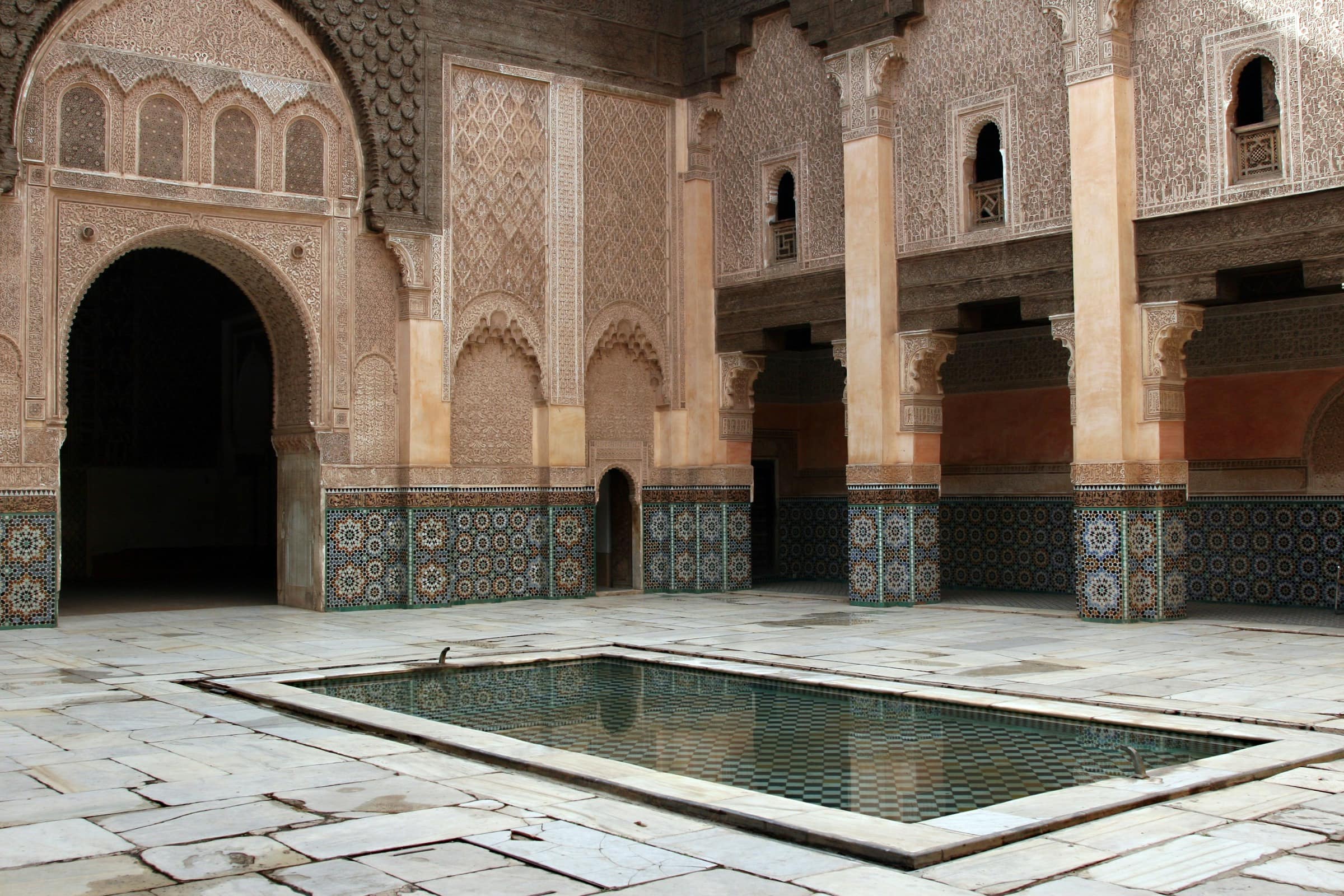
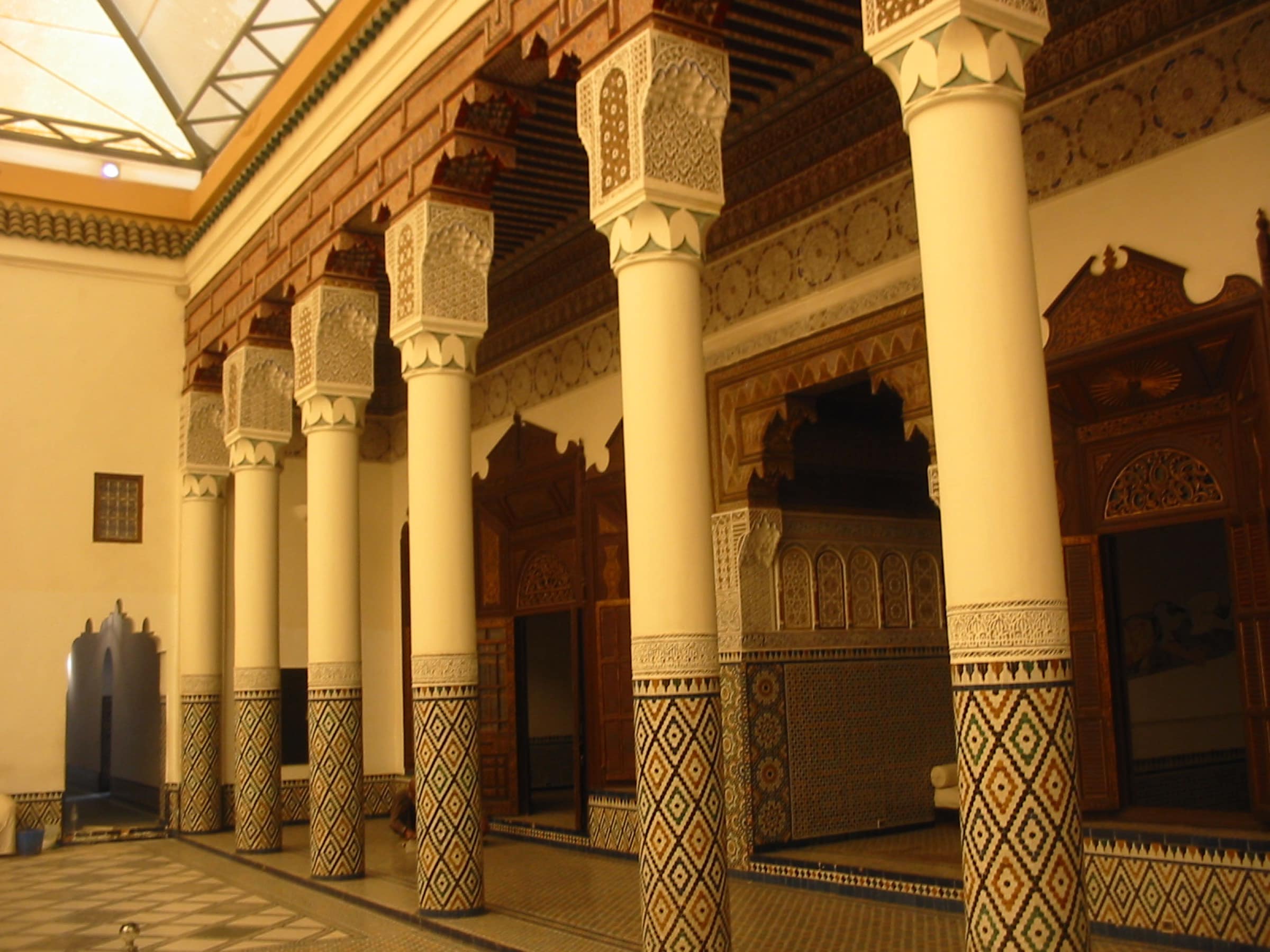
- Combine with the Ben Youssef Madrasa and the Marrakech Museum, both two minutes away. This is the cultural triangle of the north medina.
- Manage your expectations. It is a small pavilion, not a great monument. The interest is heritage-driven.
Location & access
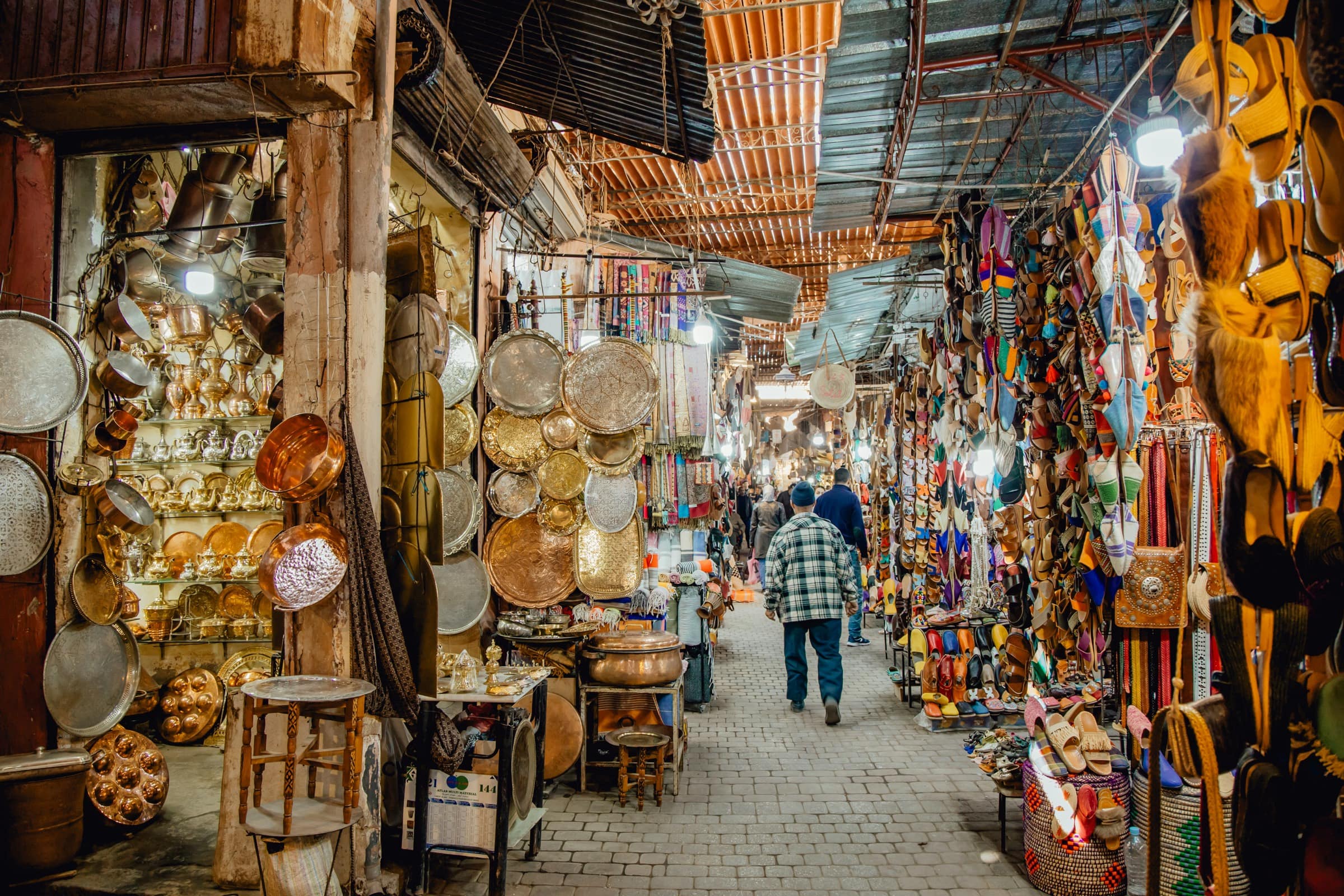
In the north of the medina, facing the Ben Youssef mosque, next to the Marrakech Museum. The Ben Youssef Madrasa is a few dozen metres away. Reckon on ten to fifteen minutes on foot from Jemaa el-Fna up through the souks. The monument sits below street level, ringed by railings. Easy to miss.