Friday in Marrakech is not the Moroccan Sunday
Practical tips
Most visitors arrive with one wrong idea: that Friday is to Morocco what Sunday is to Britain, a day when everything stops. It is not, and the mistake costs a full day to anyone who makes it. Friday is a working day. What does stop is precise, limited, and has almost nothing to do with what you came for.
A client once told me he had “kept Friday free to rest, since everything would be shut anyway”. He had written off one day in five, in a city where every day counts. The idea is widespread, it is intuitive, and it is wrong.
Morocco built its working week on the European model: Monday to Friday, with the weekend falling on Saturday and Sunday. The decree setting the hours of state administrations and local authorities states it plainly, 8.30am to 4.30pm, Monday to Friday. Friday is not a day of rest. It is a working day carrying a pause in the middle.
What genuinely stops
The midday congregational prayer is obligatory for men and takes place at the mosque. It replaces the noon prayer, and around it opens a gap in activity that is anything but symbolic.
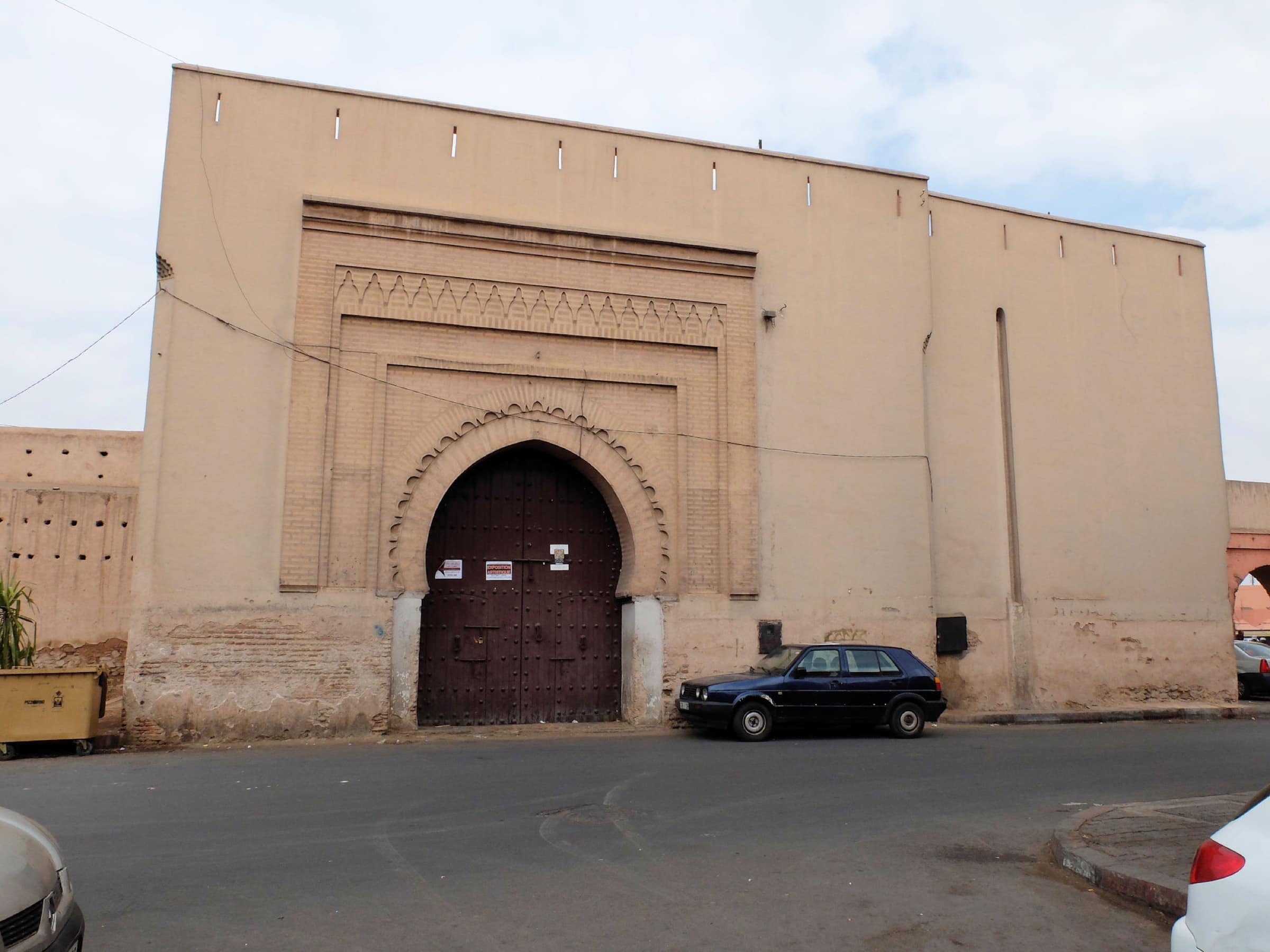
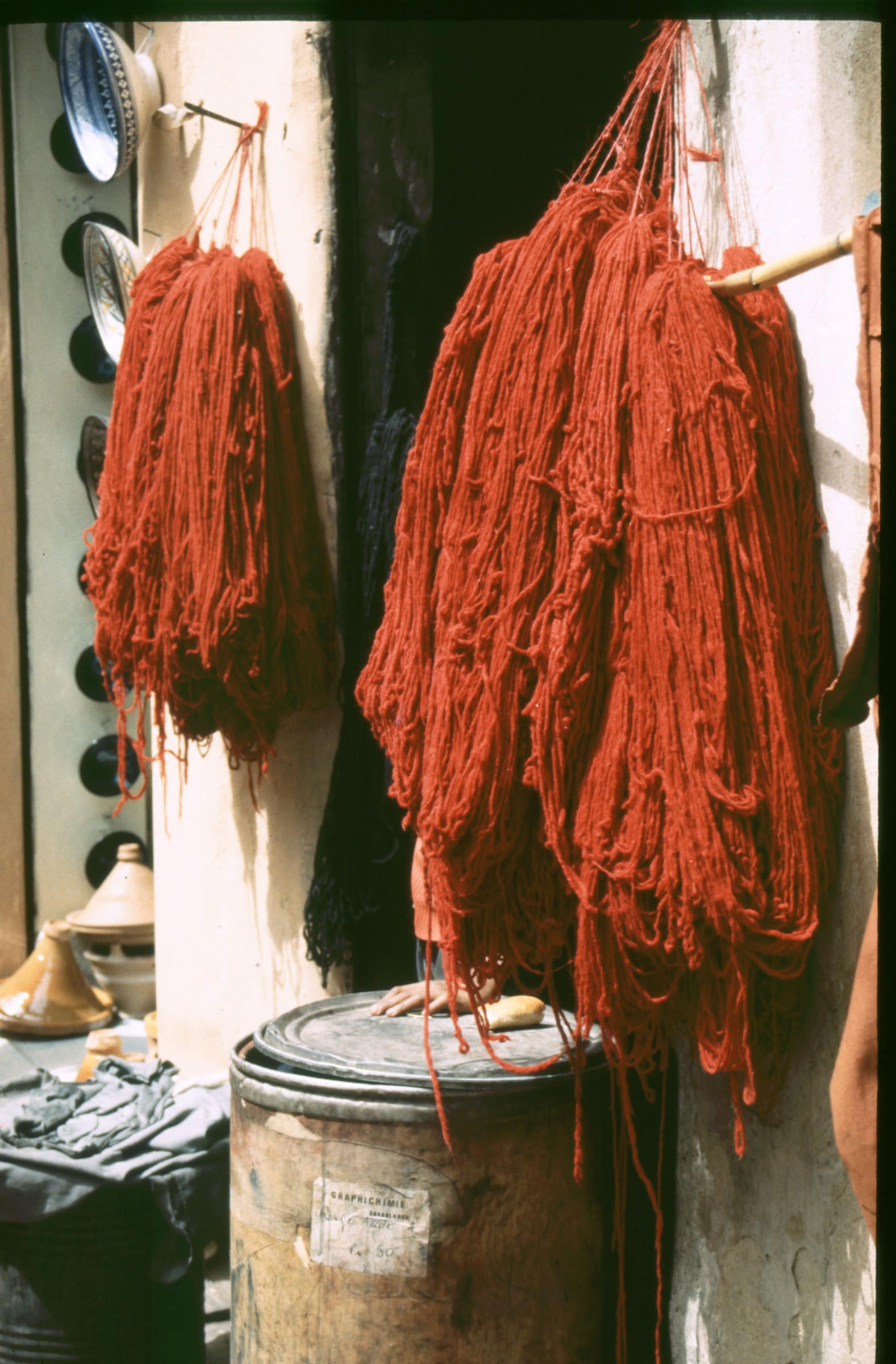
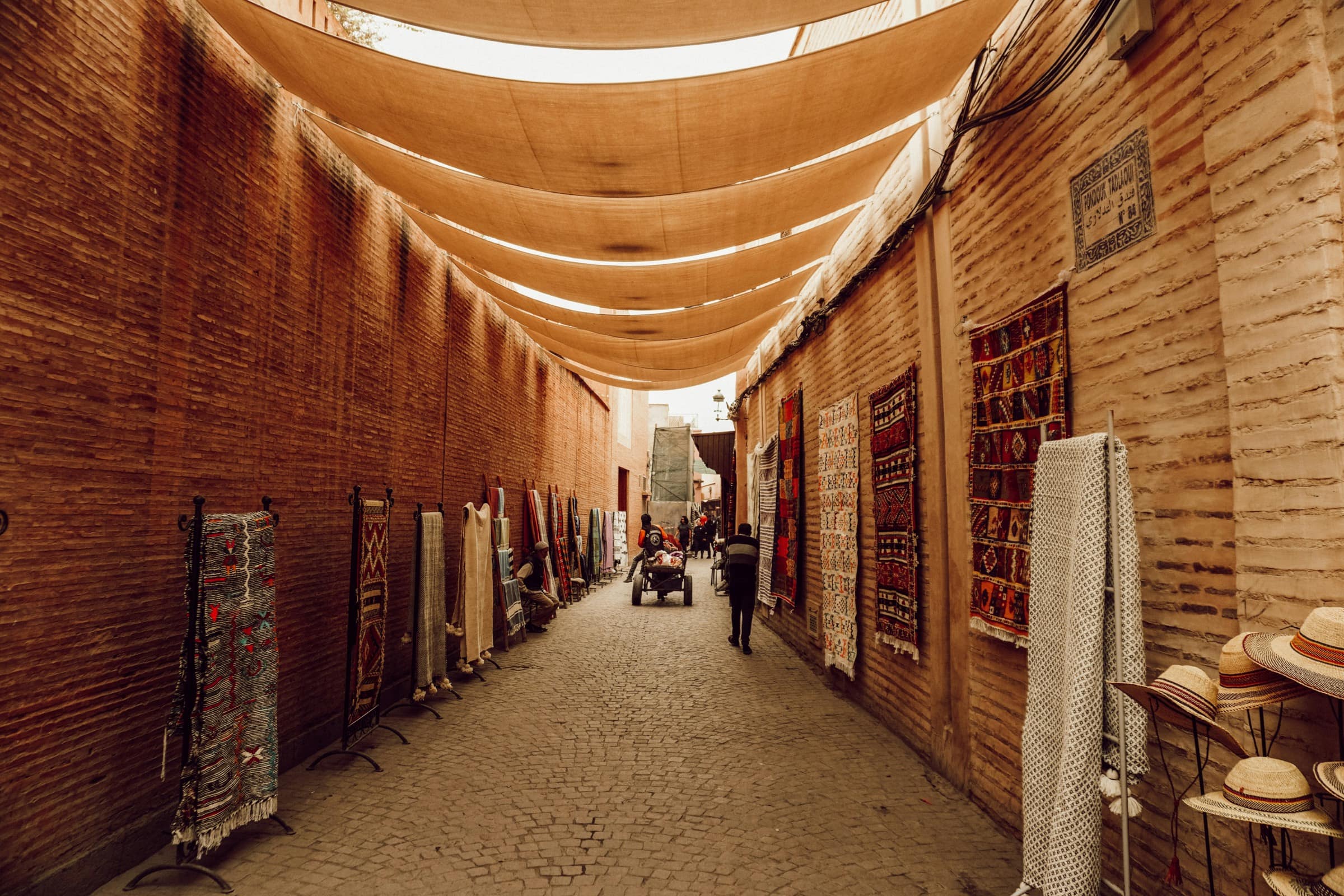
The medina workshops close or slow down, broadly from 11am to 4pm depending on the quarter and the season. This is not an official closure but a collective habit: you leave for the mosque, then eat with your family, and reopen once that is done. The dyers’ souk stops outright. Streets run by traders rather than makers reopen earlier.
Banks shut around half an hour before the prayer. That is Friday’s most concrete trap: changing money over a counter or withdrawing in branch happens in the morning, before 11am, or not that day.
And the traffic shifts. Around the large mosques in the late morning the street fills all at once and taxis thin out. A journey that takes ten minutes on a Tuesday can take thirty.
What does not stop
Here is the point most guidebooks miss, and that our own field notes may have obscured by dwelling on the rupture.
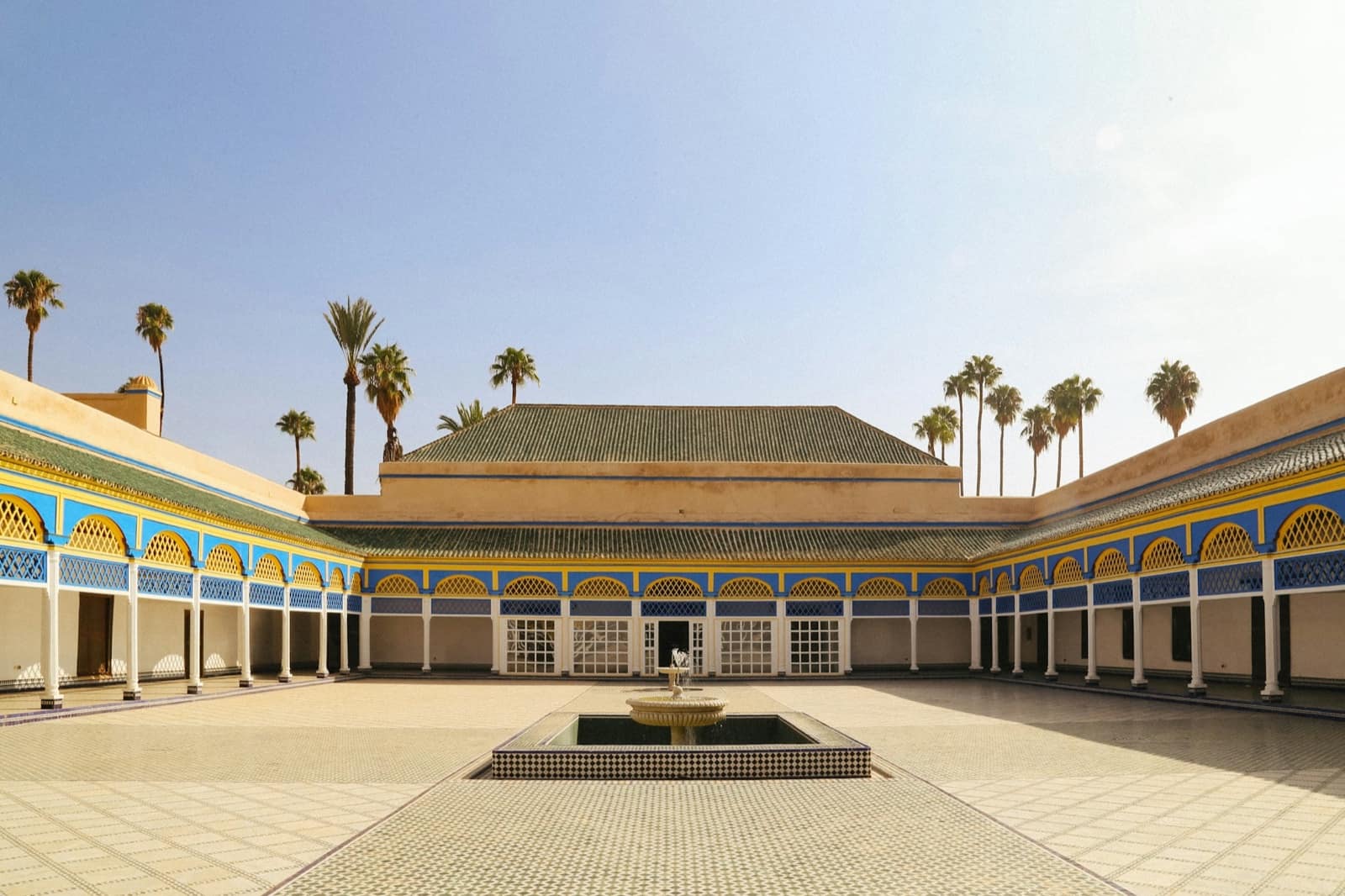
Monuments, museums and gardens do not follow that pause. The Bahia Palace opens as on any other day. So do the major gardens. Museums keep their usual hours, and many run free entry for Moroccan residents on Fridays, which fills them late in the day without ever closing them. The only schedule worth checking is each address’s own weekly closing day, which often falls on a Monday and has nothing to do with Friday.
Restaurants do not close either. Gueliz, the new town, does not break the way the medina does: its cafés, shops and galleries hold their ordinary rhythm. The asymmetry between the two cities is sharp on that day, and you can work with it.
Put differently, the standard advice to avoid Friday is right for the souks and wrong for everything else. It is a poor day to buy a carpet. It is an excellent day to visit.
The couscous, and what you can honestly expect from it
Friday is couscous day, cooked and shared with family after the prayer. The dish is Berber in origin, documented for centuries, and on the UNESCO intangible cultural heritage list since 2020.
Be clear about what a visitor can get from it. Friday couscous is a domestic meal, and that is the part that matters. What you eat in a restaurant that day is often better than the rest of the week, simply because the demand is there and the kitchens prepare for it. In Marrakech it comes spicier than in Fes. But it is not the same meal, and pretending otherwise would be selling you an experience the commercial circuit cannot supply. A guesthouse table, or a riad cooking for its own guests, comes considerably closer than an address on the square.
How I place a Friday
Mornings before eleven for anything involving money or paperwork, then monuments and museums across the whole day without a second thought. The souks late in the afternoon, from four onwards when the shutters go back up, or pushed to Saturday, which is the real trading day. Lunch built around the couscous, knowing exactly what you are buying.
And if you have only one day for the trading medina, do not make it a Friday. For everything else it is a day like any other, and the city belongs to you a little more while other visitors are busy avoiding it.